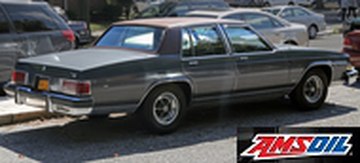
Engine Lubrication and Maintenance for the 1982 Buick LESABRE 5.0L
Maintaining a vehicle from the early 1980s requires a shift in perspective toward consistent monitoring and proactive care. For the 1982 Buick LESABRE equipped with the 5.0L engine, routine lubrication service is a fundamental component of long-term mechanical health. Because older engines often operate under different thermal and mechanical stresses than modern counterparts, understanding how to monitor fluid condition and identify early signs of wear is essential for any owner.
Monitoring Fluid Integrity and Condition
Regularly checking the engine oil is more than just a way to ensure the level is sufficient; it is an opportunity to assess the overall health of the engine. When you pull the dipstick, pay close attention to the color and texture of the lubricant. While oil naturally darkens over time due to use, extreme discoloration or a gritty texture can indicate that the oil has been subjected to excessive heat or that contaminants are present.
If you notice any unusual odors coming from the crankcase area, such as a sharp, burnt smell, this may indicate that the lubricant is breaking down due to high operating temperatures. Furthermore, if the appearance of the oil changes significantly—for instance, appearing milky or cloudy—it warrants immediate investigation, as this can be associated with various internal fluid interactions. Consistent monitoring allows you to catch potential issues before they escalate into more significant mechanical concerns.
Observing Potential Warning Signs
While many engine issues develop gradually, certain symptoms serve as important indicators that the lubrication system or related components require attention. It is vital to remember that a single symptom can have multiple underlying causes, so observation should always be paired with professional diagnosis if a problem persists.
- Visible Seepage: Periodically inspect the area around the engine for signs of fluid leakage. Any evidence of wetness or residue on the underside of the engine or near sealing surfaces should be noted.
- Changes in Consumption: If you find yourself needing to add oil more frequently than in the past, this change in consumption pattern is a significant indicator that requires investigation.
- Unusual Noises: Any new mechanical sounds that coincide with engine operation may be related to lubrication levels or the condition of moving parts.
- Warning Indicators: If your vehicle is equipped with oil-related warning lights or gauges, do not ignore them. A sudden change in a reading can indicate an immediate need for service.
By staying observant of these signs, you can transition from reactive repairs to a more controlled maintenance approach.
Prioritizing Maintenance Through Condition-Based Care
For an owner of a 1982 Buick LESABRE, the most effective way to manage maintenance is to prioritize tasks based on the actual condition of the vehicle rather than relying solely on its age. While time inevitably affects rubber components and seals, every vehicle ages differently depending on its environment and previous service history.
If you are stepping into ownership without a complete service history, your first priority should be establishing a maintenance baseline. This involves performing a thorough inspection of all fluids and accessible mechanical components to determine their current state. Once you have identified the current condition of the engine, you can better distinguish between necessary preventive maintenance and unnecessary parts replacement.
Addressing active concerns—such as an observed leak or a change in how the engine sounds—should always take precedence over general scheduled tasks. Keeping a detailed log of when you perform oil changes, what products you use, and any observations made during inspections will provide invaluable data for making future service decisions.
Inspecting Aging Components and Seals
As vehicles age, the materials used in gaskets and seals can undergo changes in flexibility. When performing routine maintenance on this 5.0L engine, it is practical to inspect various sealing surfaces for signs of seepage. This does not mean that every older seal is failing, but rather that they should be part of your regular visual inspection routine.
In addition to seals, other age-sensitive components deserve attention during service intervals:
- Hoses and Connections: If present, inspect any visible hoses for signs of cracking, softening, or bulging.
- Drive Belts: If equipped, check accessible belts for evidence of glazing, fraying, or surface deterioration.
- Electrical Integrity: Inspect wiring and electrical connectors for signs of corrosion or brittle insulation, which can affect overall engine performance.
Taking a methodical approach to these inspections helps ensure that the vehicle remains reliable and that small issues are identified while they are still manageable.
The Role of Lubrication in Engine Longevity
Engine oil performs several critical roles that extend far beyond simple lubrication. It acts as a vital medium for heat management, helping to carry thermal energy away from high-friction areas within the engine. Furthermore, modern lubricant formulations are designed with advanced additives that assist in deposit control, helping to prevent the buildup of sludge and other combustion byproducts that can interfere with mechanical operation.
Effective lubrication also provides a protective barrier that reduces friction between moving parts. Maintaining the correct quality and condition of this fluid is one of the most effective ways to manage the internal environment of the engine, ensuring that components continue to operate smoothly under varying loads and temperatures.
Practical Guidance for BUYING ENGINE OIL for your 1982 Buick LESABRE 5.0L
When it is time to replenish your engine's lubricant, the most important step is to ensure the product you select matches the specific requirements of your application. Rather than making assumptions based on the vehicle's age or general automotive trends, always refer to the application-specific viscosity and oil information provided on this webpage.
As you shop for products, keep the following practical tips in mind:
- Verify Product Labels: Always check the label of the container to ensure the SAE viscosity matches what is listed in your vehicle's application data.
- Consider Formulations: Depending on your specific needs and the current condition of your engine, you may choose between conventional, synthetic blend, or full synthetic oils. Some high-mileage formulations also include seal-conditioning additives intended for use in aging engines.
- Check Certifications: Look for appropriate API (American Petroleum Institute) service classifications on the bottle to ensure the oil meets modern quality standards for lubrication and engine protection.
By matching your purchase directly to the technical information displayed here, you can maintain the 1982 Buick LESABRE 5.0L with confidence.